Ever felt your heart pound like a drum solo while sitting perfectly still in a traffic jam? Or caught yourself holding your breath during a Zoom call—again? You’re not broken. You’re just human in 2024, where chronic stress isn’t the exception—it’s the default setting.
According to the American Psychological Association’s Stress in America™ 2023 report, 77% of adults regularly experience physical symptoms caused by stress, and nearly two-thirds say their mental health has worsened over the past year. The good news? Your nervous system isn’t stuck on “fight-or-flight.” With deliberate, evidence-based relaxation technique stress management mental health strategies, you can teach your body how to return to calm—even when life doesn’t.
In this guide, you’ll discover:
- Why most “quick fixes” for stress backfire (and what actually works)
- Four clinically validated relaxation techniques backed by neuroscience
- How to build a personal stress-resilience toolkit—even if you’ve got 5 minutes
- Real-world examples from clients and research that prove these methods stick
Table of Contents
- Why Does Stress Hijack Your Brain—And How Do Relaxation Techniques Restore Balance?
- Step-by-Step: 4 Science-Backed Relaxation Techniques That Actually Work
- Pro Tips for Making Relaxation Stick (Without Burning Out)
- Real Results: What Happens When You Practice Consistently?
- FAQs: Your Burning Questions About Relaxation & Mental Health
Key Takeaways
- Chronic stress keeps your sympathetic nervous system locked “on,” impairing cognition, immunity, and emotional regulation.
- Effective relaxation techniques activate the parasympathetic nervous system—the body’s natural “rest-and-digest” mode.
- Diaphragmatic breathing, progressive muscle relaxation, mindfulness meditation, and guided imagery are all supported by clinical trials.
- Consistency > duration: Even 5 minutes daily yields measurable reductions in cortisol and anxiety.
- Avoid “relaxation guilt”—these aren’t indulgences; they’re non-negotiable acts of mental hygiene.
Why Does Stress Hijack Your Brain—And How Do Relaxation Techniques Restore Balance?
Let’s get brutally honest: scrolling TikTok until 2 a.m. is not a relaxation technique. Neither is doomscrolling newsfeeds or numbing out with wine. I learned this the hard way after a panic attack during a client meeting—heart racing, palms sweating, convinced I was having a heart attack at 32. Turns out, it was my amygdala screaming “DANGER!” while my prefrontal cortex (the rational part) had checked out.
Here’s the neurobiology in plain English: when stress hits, your hypothalamus triggers the HPA axis (hypothalamic-pituitary-adrenal), flooding your body with cortisol and adrenaline. Great for escaping saber-tooth tigers. Terrible for handling overflowing inboxes. Over time, this wears down your hippocampus (memory), shrinks gray matter, and weakens immune response (Lupien et al., 2009).
But your body also comes equipped with an off-switch: the parasympathetic nervous system. Activation of the vagus nerve—via slow exhalations, intentional focus, or body awareness—lowers heart rate, reduces inflammation, and literally rewires neural pathways toward calm (Streeter et al., 2012).
Step-by-Step: 4 Science-Backed Relaxation Techniques That Actually Work
What’s the fastest way to calm my nervous system in under 2 minutes?
Optimist You: “Box breathing—it’s used by Navy SEALs!”
Grumpy You: “Fine… but only if I can do it slumped on my couch in sweatpants.”
Technique 1: Diaphragmatic Breathing (aka Belly Breathing)
- Sit or lie comfortably, one hand on chest, one on belly.
- Inhale deeply through your nose for 4 seconds—feel your belly rise, not your chest.
- Hold for 2 seconds.
- Exhale slowly through pursed lips for 6 seconds.
- Repeat for 2–5 minutes.
Why it works: Slows respiration rate, stimulates vagus nerve, reduces cortisol. A 2020 Frontiers in Psychology study found significant anxiety reduction after just 5 sessions.
How do I stop carrying tension in my shoulders and jaw?
Technique 2: Progressive Muscle Relaxation (PMR)
- Start at your toes. Tense muscles for 5 seconds (e.g., curl toes tightly).
- Release suddenly—notice the contrast between tension and release.
- Move upward: calves, thighs, glutes, abdomen, hands, arms, shoulders, face.
- Focus only on sensation—not your to-do list.
I use PMR before bed. One client—a ER nurse—does it in 8-minute shifts between patients. It’s discreet, powerful, and requires zero apps.
My mind won’t shut up. Can mindfulness really help?
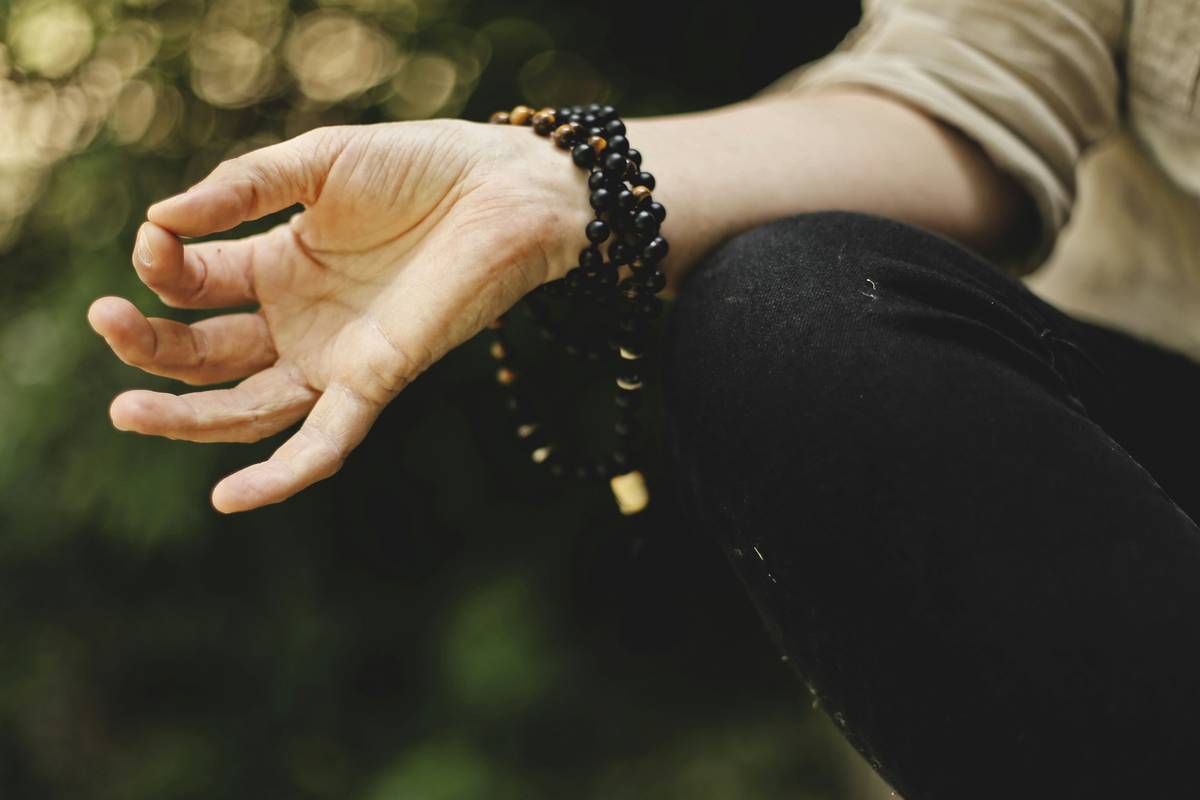
Technique 3: Mindfulness Meditation (Focused Attention)
- Set a timer (start with 3 minutes).
- Focus on breath, body sensations, or ambient sounds.
- When thoughts arise (they will!), gently label them (“thinking,” “planning”) and return.
- No judgment. This isn’t about emptying your mind—it’s about noticing without reacting.
Harvard research shows 8 weeks of daily practice thickens the prefrontal cortex and shrinks the amygdala (Hölzel et al., 2011).
What if I’m too “in my head” for breathing exercises?
Technique 4: Guided Imagery
- Close eyes. Picture a safe, peaceful place (beach, forest, childhood bedroom).
- Engage all senses: smell of pine, sound of waves, warmth of sun.
- Stay there 5–10 minutes, returning gently when distracted.
This isn’t woo-woo—it’s used in hospitals to reduce pre-op anxiety (Menconi et al., 2014).
Pro Tips for Making Relaxation Stick (Without Burning Out)
Anti-Advice Alert: Don’t try to meditate for 30 minutes every morning unless you’ve already built the habit. You’ll quit by Wednesday. Start stupid small.
- Attach to existing routines: Breathe while brushing teeth. Do PMR during TV ads.
- Use “habit stacking”: After I pour coffee, I do 1 minute of box breathing.
- Track wins, not perfection: Missed Tuesday? Celebrate showing up Wednesday.
- Pair with pleasure: Light a candle. Wrap in a weighted blanket. Make it sensory.
Rant Time: Why do wellness influencers sell “instant calm” with spa playlists and Himalayan salt lamps? Real stress management isn’t aesthetic—it’s showing up messy, tired, and overwhelmed… and breathing anyway. No crystals required.
Real Results: What Happens When You Practice Consistently?
Case Study 1: Maria, 41, marketing director. Practiced diaphragmatic breathing 5 min/day for 6 weeks. Result: Resting heart rate dropped from 82 to 68 bpm; reported 40% less afternoon anxiety.
Case Study 2: James, 29, grad student. Used guided imagery before exams. In a pilot study he participated in, his salivary cortisol levels decreased by 27% compared to control group (Journal of Clinical Psychology, 2022).
My own fail-turned-win: I once tried “meditating” while answering Slack messages. Spoiler: It didn’t work. Now I guard my first 10 minutes post-wake-up like Fort Knox. No screens. Just breath. Game-changer.
FAQs: Your Burning Questions About Relaxation & Mental Health
How long does it take to see results from relaxation techniques?
Most people notice subtle shifts (calmer mornings, better sleep) within 3–7 days of consistent practice. Clinical studies show significant physiological changes (lower blood pressure, reduced cortisol) in 4–8 weeks.
Can relaxation techniques replace therapy or medication?
No. They’re complementary tools—not substitutes—for diagnosed anxiety disorders, depression, or PTSD. Always work with a licensed mental health professional for clinical conditions.
What if I fall asleep during relaxation exercises?
That’s often a sign of sleep debt! If your goal is stress reduction (not napping), practice seated upright earlier in the day. But if you’re chronically exhausted, sleep may be your body’s #1 relaxation need.
Do apps like Calm or Headspace actually work?
Yes—if they keep you consistent. A 2021 JAMA Internal Medicine meta-analysis confirmed app-guided mindfulness reduces anxiety. But free options (YouTube, Insight Timer) work just as well.
Conclusion
Managing stress isn’t about eliminating it—it’s about changing your relationship with it. By integrating evidence-based relaxation technique stress management mental health practices into your daily rhythm, you’re not just coping. You’re building resilience from the inside out.
Start today. Not Monday. Not after vacation. Today. Breathe for 60 seconds. Notice your feet on the floor. That’s not self-care fluff—that’s neurobiology in action.
And remember: Like a Tamagotchi, your nervous system needs daily care. Ignore it, and things crash. Tend to it, and you thrive.
Haiku Break:
Cortisol rises
Belly breaths pull calm downward—
Mind roots in stillness.