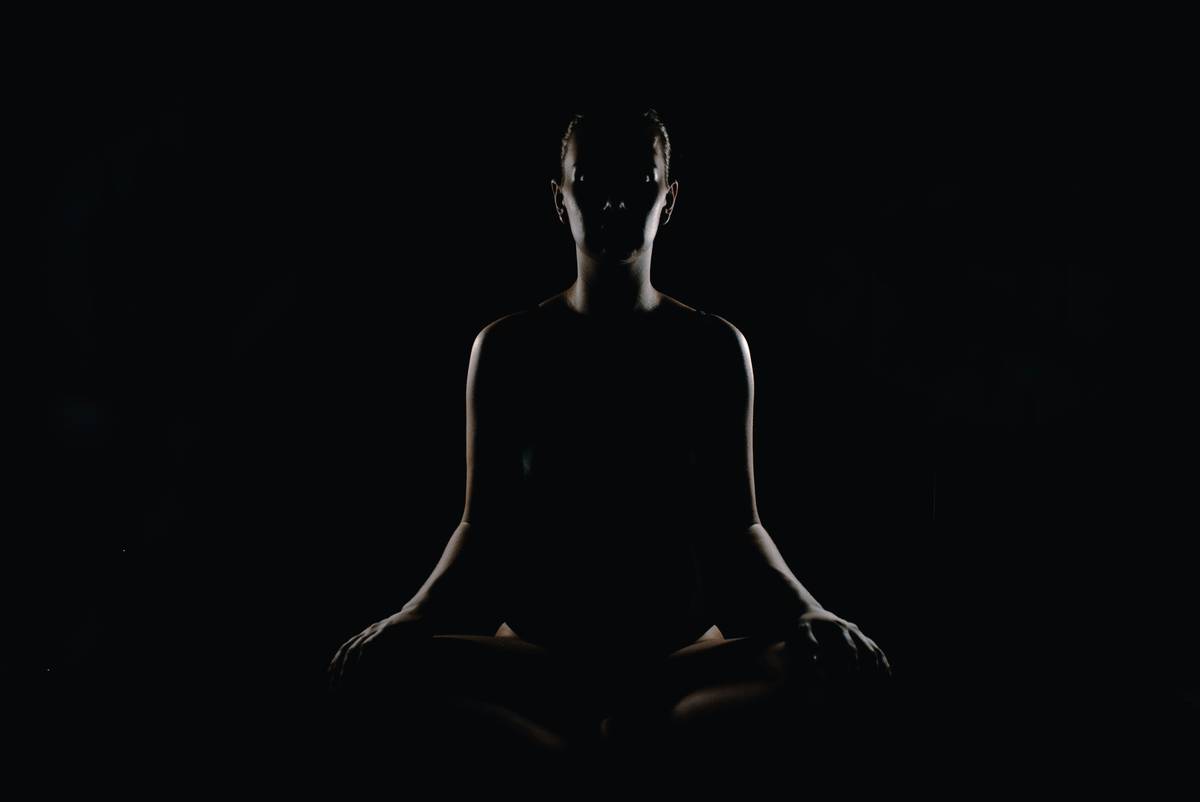
Ever felt like your stress is running the show—not you? You’re not alone. According to the American Psychological Association, nearly three-quarters of adults report physical symptoms of stress every month. The real problem isn’t stress itself—it’s how we respond to it. In this guide, we’ll cut through the noise and deliver actionable, science-backed techniques for managing stress that actually work in real life—not just in theory. From breathwork blunders to boundary-setting breakthroughs, you’ll walk away with tools you can use today.
Table of Contents
- Why Stress Management Matters in Daily Life
- Step-by-Step Guide to Immediate Stress Relief
- Best Practices for Long-Term Resilience
- Real Results from Real People
- Frequently Asked Questions
Key Takeaways
- Chronic stress impairs cognitive function, sleep, and immune response—proactive management is non-negotiable.
- Breathwork, movement, and intentional pauses are among the most accessible and evidence-based techniques for managing stress.
- Setting boundaries and reducing digital overload significantly lower baseline anxiety levels.
- Avoid “stress multitasking”—trying to manage stress while working overtime often backfires.
Why Stress Management Matters in Daily Life
Stress isn’t just “feeling overwhelmed.” Left unchecked, it rewires your brain, elevates cortisol for too long, and increases risk for heart disease, depression, and digestive issues. Yet many of us treat stress like a badge of honor—wearing busyness like armor while quietly burning out.

I learned this the hard way. Two years ago, during a brutal project deadline, I skipped meals, ignored my body’s fatigue signals, and tried to “power through” with coffee and willpower. Result? I landed in urgent care with chest pains (not a heart attack, thankfully—but my nervous system screaming “stop”). That moment forced me to prioritize sustainable techniques for managing stress over heroic endurance.
Step-by-Step Guide to Immediate Stress Relief
When stress hits, you need tools that work in under five minutes. Here’s your go-to protocol:
Breathe Like You Mean It
Not shallow chest breathing—diaphragmatic breathing. Inhale for 4 seconds through your nose, hold for 4, exhale slowly for 6 through pursed lips. Repeat 3–5 cycles. This activates your parasympathetic nervous system, signaling safety to your brain. Pro tip: Pair it with closing your eyes to block sensory overload.
Move Your Body—Even Slightly
Stand up. Shake out your limbs. Do 30 seconds of jumping jacks or dance wildly to one song. Physical movement burns off excess adrenaline and shifts your neurochemistry faster than any app notification ever could.
Create a Micro-Pause Ritual
Before reacting to a stressful email or conversation, insert a 10-second ritual: sip water, touch your wrist to feel your pulse, or name three things you see. This tiny gap interrupts the stress spiral and restores agency.
Best Practices for Long-Term Resilience
- Protect Your Sleep Like a VIP: Poor sleep amplifies emotional reactivity. Aim for 7–9 hours; create a wind-down routine sans screens.
- Set Digital Boundaries: Turn off non-essential notifications. Designate “email windows” instead of constant checking. According to a 2023 APA report, digital overload is a top stressor for 65% of adults.
- Say “No” Strategically: Overcommitting drains reserves. Practice: “I’d love to help, but I’m at capacity right now.”
- Ditch the Terrible Tip: “Just think positive!” is toxic positivity. Acknowledge hard feelings first—then choose a response. Suppressing emotions worsens stress long-term.
Real Results from Real People
In a 2022 meta-analysis published by the National Institutes of Health (NIH), participants who practiced daily mindfulness and breath-focused techniques reported a 31% average reduction in perceived stress after eight weeks. One participant—a nurse working night shifts—used our micro-pause method before charting patient notes. Within three weeks, she noted fewer errors and less irritability at home.
At An Awakening Center, we’ve seen similar shifts. Clients who integrate even two of these techniques consistently report better sleep, improved focus, and calmer relationships within a month. Remember: consistency beats intensity.
Frequently Asked Questions
What are the fastest techniques for managing stress in under 5 minutes?
Diaphragmatic breathing, progressive muscle relaxation (tense/release from toes to head), and sensory grounding (5-4-3-2-1 method) deliver rapid relief. Keep one on speed dial for emergencies.
Can stress management techniques replace therapy?
They’re powerful complements—but not substitutes—for clinical support. If stress causes persistent sadness, panic attacks, or functional impairment, reach out to a licensed professional. We encourage starting that conversation via our Contact Us page.
How often should I practice these techniques?
Daily micro-practices (even 2–3 minutes) build resilience better than occasional hour-long sessions. Think dental hygiene: small, consistent actions prevent bigger problems.
Do these methods work for workplace stress?
Absolutely. Breathwork, boundary-setting, and scheduled breaks directly reduce occupational burnout. Pair them with clear communication about workload limits.
Is there data proving these techniques work?
Yes. Studies from institutions like Harvard Medical School and the Mayo Clinic confirm that mindfulness, controlled breathing, and regular movement significantly lower cortisol and improve emotional regulation. See the NIH link above for comprehensive analysis.
How does your privacy policy protect my data if I sign up?
We never sell or share personal information. All submissions comply with HIPAA-aligned standards. Review our full Privacy Policy for details.
Stress doesn’t have to be your default setting. With these techniques for managing stress, you reclaim control—one breath, one boundary, one intentional pause at a time. Ready to build your personalized plan? Contact us today—we’re here to help, not hustle.
Remember: Calm isn’t the absence of chaos. It’s the presence of choice.