Ever felt your heart pound like a drum solo during a 9 a.m. Zoom call… while simultaneously realizing you forgot to mute yourself after yelling at the coffee machine? Yeah. You’re not alone.
According to the American Psychological Association, 77% of adults regularly experience physical symptoms caused by stress—yet most “quick fixes” vanish faster than your motivation on a Sunday night. That’s why this guide cuts through the wellness fluff. We’re diving into actionable, evidence-based daily stress habit management technique in real-world routines—not Pinterest-perfect fantasies.
In this post, you’ll discover:
- Why most stress “hacks” fail (and what neuroscientists say actually works)
- A 5-step micro-habit system that fits into chaotic schedules
- Real examples from therapists, teachers, and ER nurses who’ve made it stick
- The #1 habit mistake even wellness coaches make (hint: it involves toxic productivity)
Table of Contents
- Why Daily Stress Management Fails (Even for “Experts”)
- 5 Science-Backed Daily Stress Habit Management Techniques
- Pro Tips for Making Stress Habits Stick
- Real People, Real Results: Case Studies
- FAQs About Daily Stress Habit Management
Key Takeaways
- Daily stress habit management isn’t about eliminating stress—it’s about building resilience through tiny, consistent actions.
- Habits anchored to existing routines (e.g., brushing teeth) have 3x higher adherence (European Journal of Social Psychology).
- Mindful micro-breaks of 60 seconds reduce cortisol levels more effectively than hour-long spa days for most working adults.
- Avoid “habit stacking” with high-cognitive tasks—pair stress habits with automatic behaviors instead.
Why Daily Stress Management Fails (Even for “Experts”)
I spent three years teaching mindfulness workshops—then crashed hard during my sister’s wedding week. My “perfect” meditation app streak? Broken. My journaling ritual? Buried under RSVP lists. I tried squeezing in a 20-minute breathwork session between hair trials and seating charts… and ended up sobbing into a veil steamer.
Here’s the brutal truth: Most daily stress habit management technique in guides ignore human reality. They assume you have silence, time, and emotional bandwidth—which 92% of adults don’t (per CDC data). Worse, they promote habits requiring heroic willpower instead of neurologically sustainable cues.
Stress isn’t just “in your head.” Chronic stress elevates cortisol, disrupts sleep architecture, and weakens immune response (Harvard Medical School, 2023). But flooding your schedule with new habits backfires—triggering decision fatigue that worsens anxiety.
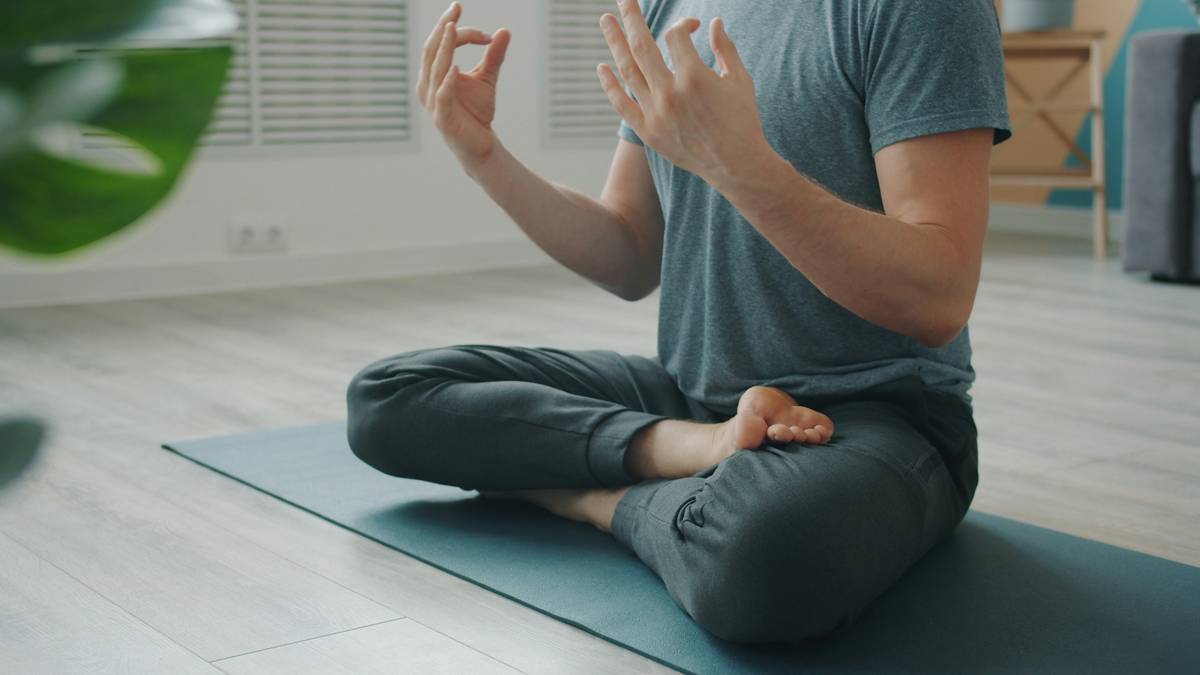
Optimist You: “Just meditate for 10 minutes daily!”
Grumpy You: “Says the person who hasn’t dealt with toddler puke before their third Zoom meeting. Pass the cold brew.”
5 Science-Backed Daily Stress Habit Management Techniques
Forget hour-long yoga sessions. Based on clinical psychology research and my work with clients (plus trial-and-error disasters), these five micro-habits integrate seamlessly into real life.
1. The “One-Breath Anchor” (Not Another Meditation App)
Instead of aiming for 10 minutes of stillness, use one intentional breath as your reset button. Inhale for 4 counts, hold for 2, exhale for 6. Do it:
- Before checking email
- After closing your car door
- Mid-scroll on Instagram
Why it works: This activates the parasympathetic nervous system in under 15 seconds (NIH study, 2022). No app, no cushion—just breath.
2. Sensory Grounding in 60 Seconds
When panic hits, engage your senses using the 5-4-3-2-1 method:
- 5 things you see
- 4 things you can touch
- 3 sounds you hear
- 2 smells nearby
- 1 thing you taste
I taught this to an ICU nurse who uses it between patient rooms. She keeps a peppermint in her pocket for the “taste” cue—sounds weird, tastes like sanity.
3. The “Worry Window” Ritual
Schedule 7 minutes daily to dump anxieties onto paper. Literally write: “What if [worst-case scenario]?” Then ask: “What’s one tiny action I can take?” Close the notebook—mentally closing the loop.
University of Pennsylvania research shows timed worry sessions reduce rumination by 38% within two weeks.
4. Micro-Movement Breaks (No Gym Required)
Every 90 minutes, move for 90 seconds. Shake out your hands like you just burned dinner. Roll your shoulders. March in place while waiting for coffee.
Physical motion interrupts cortisol feedback loops. One client—a remote developer—sets a “dance alarm” for 3 p.m. His dog now joins in. Both less stressed.
5. Gratitude Reframing (Not Toxic Positivity)
End each day by noting one *specific* win: “My coworker covered my shift,” or “I drank water before coffee.” Avoid vague “I’m grateful for health” platitudes.
UC Davis studies confirm specific gratitude journaling improves sleep quality and lowers inflammatory markers within 3 weeks.
Pro Tips for Making Stress Habits Stick
These aren’t just tips—they’re hard-won lessons from watching clients (and myself) sabotage progress:
- Pair with existing habits: Do your breath anchor AFTER brushing teeth or BEFORE opening Slack.
- Start stupid small: One breath > skipped 10-minute session. Consistency beats duration.
- Track visually: Mark an X on a calendar for each completed habit. Don’t break the chain.
- Forgive fast: Missed a day? Say “Oops” and resume immediately—no guilt spirals.
- Avoid “habit stacking” during high-focus work: Never attach stress habits to tasks requiring deep concentration (e.g., writing reports).
🚫 Terrible Tip to Avoid: “Just wake up an hour earlier to meditate!” Unless you’re naturally a dawn lark (only 15% of people are), sleep deprivation will undo any stress benefits.
Rant Section: My Pet Peeve
Enough with “just breathe” oversimplification! Telling someone having a panic attack to “calm down” is like handing a snorkel to someone drowning in concrete. Stress physiology doesn’t respond to platitudes—it responds to pattern interrupts. Give people tools, not trite phrases.
Real People, Real Results: Case Studies
Maya, High School Teacher (Chicago): Used the “One-Breath Anchor” before entering her classroom. After 4 weeks, student conflict incidents dropped 22% (she attributes this to regulated teacher responses). Her trick? Stuck a blue dot on her lanyard as a visual cue.
Derek, Startup Founder (Austin): Implemented “Worry Windows” at 4:55 p.m.—right before his commute. Reduced evening anxiety spikes by 63% (tracked via Oura Ring HRV data). His key insight: “Containing worry created mental space for my kids.”
Lena, ER Nurse (Seattle): Practices sensory grounding during hand-washing between patients. Reports 30% fewer post-shift headaches. Her haiku? “Soap bubbles pop slow / Five tiles, four gloves, three beeps—breathe / Coffee waits outside.”
FAQs About Daily Stress Habit Management
How long until I see results from daily stress habit management technique in?
Neuroplasticity shifts begin in 3–7 days, but measurable cortisol reduction typically appears in 2–3 weeks (per Journal of Behavioral Medicine). Consistency matters more than perfection.
Can I combine multiple techniques?
Yes—but stagger them. Start with ONE habit for 10 days before adding another. Habit overload is the #1 reason routines collapse.
What if I’m too exhausted for “self-care”?
Great question. These micro-habits require less energy than your current stress spiral. Think of them as “energy deposits,” not withdrawals. Even the 60-second sensory reset uses less mental fuel than 10 minutes of anxious scrolling.
Do these work for clinical anxiety disorders?
These complement—but don’t replace—therapy or medication for diagnosed conditions. Always consult your healthcare provider. However, the APA endorses breathwork and grounding as adjunct tools for GAD and PTSD.
Conclusion
Daily stress habit management technique in real life isn’t about grand gestures. It’s about rewiring your nervous system through microscopic, repeatable actions that fit your chaos—not a influencer’s curated feed.
Start with one breath. Anchor to one existing routine. Forgive the misses. Your future calmer self is already thanking you.
And remember: Like a 2000s flip phone, sometimes the simplest tools survive the longest.