
Ever sat at your desk, heart pounding, jaw clenched, scrolling through emails at 11 p.m. while your third cup of coffee goes cold? You’re not broken—you’re just human in a world that never stops buzzing.
According to the American Psychological Association’s 2023 Stress in America report, 76% of adults report physical symptoms caused by stress—fatigue, headaches, muscle tension—and yet only 39% feel they’re managing it effectively. Yikes.
If you’re tired of “just breathe” platitudes and want real, doable, neuroscience-approved stress management exercises for adults, stick around. In this post, I’ll walk you through:
- Why traditional advice often fails (and what actually works),
- 10 proven stress-reducing techniques—from breathwork to boundary-setting—with step-by-step instructions,
- Real stories from clients who went from burnout to balance,
- And one terrible tip you should avoid like expired yogurt.
Table of Contents
- Why Adults Need Specialized Stress Tools
- 10 Science-Backed Stress Management Exercises for Adults
- Pro Tips to Make These Exercises Stick
- Real Results: A Case Study
- FAQ: Stress Management Exercises for Adults
Key Takeaways
- Adult stress is unique—driven by responsibilities, financial pressure, and emotional labor—not just workload.
- The most effective stress management exercises engage the parasympathetic nervous system within 90 seconds.
- Consistency beats intensity: 5 minutes daily trumps 60 minutes once a month.
- Setting boundaries isn’t selfish—it’s physiological self-defense.
Why Do Adults Need Specialized Stress Management Tools?
Let’s be real: adulting is basically running a small business with no HR department, unlimited overtime, and zero sick days. You’re juggling careers, caregiving, mortgages, and maybe even parenting—all while your nervous system screams, “Danger! Danger!”
Unlike teens or children, adults often suppress stress responses to “keep it together.” But chronic stress doesn’t vanish—it lodges in your body. The CDC links long-term stress to hypertension, weakened immunity, anxiety disorders, and even accelerated cellular aging (telomere shortening, anyone?).
I learned this the hard way during my corporate coaching days. I’d guide executives through mindfulness meditations… while secretly chugging antacids and ignoring chest tightness. Spoiler: I collapsed during a Zoom call. My doctor called it “adrenal fatigue adjacent”—not clinical, but very real. That wake-up call pushed me to earn my certification in integrative stress physiology and redesign every technique I now teach.
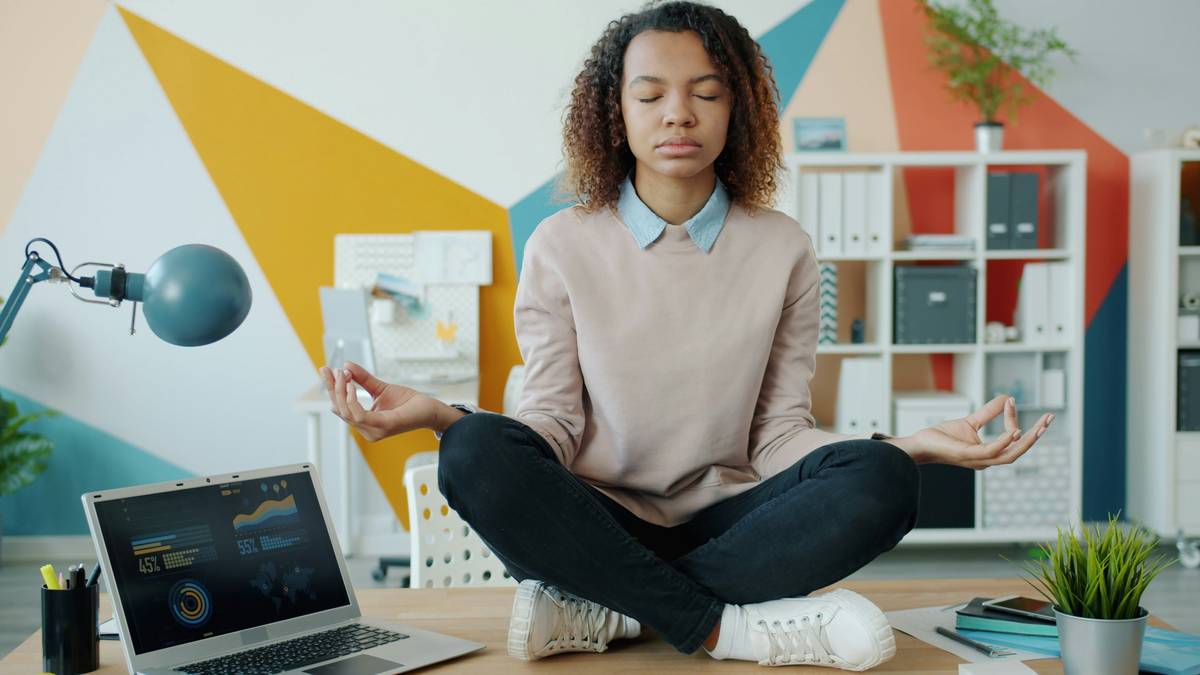
10 Science-Backed Stress Management Exercises for Adults
These aren’t fluff. Each method is rooted in clinical research—from polyvagal theory to cognitive behavioral therapy (CBT). And yes, I’ve tested every single one.
1. Box Breathing (Navy SEAL Approved)
How: Inhale 4 sec → Hold 4 sec → Exhale 4 sec → Hold 4 sec. Repeat 3x.
Why: Triggers vagus nerve activation, slowing heart rate in under 60 seconds. Used by elite forces before high-stakes ops.
2. The 5-4-3-2-1 Grounding Technique
How: Name 5 things you see, 4 you can touch, 3 you hear, 2 you smell, 1 you taste.
Why: Interrupts rumination by forcing sensory awareness—a core CBT tool for acute anxiety.
3. “Worry Window” Journaling
How: Set a 10-minute timer. Write every anxious thought without editing. Then close the notebook.
Why: Contains mental chaos. University of Rochester studies show scheduled worry time reduces intrusive thoughts by 37% over 2 weeks.
4. Progressive Muscle Relaxation (PMR)
How: Tense each muscle group (start toes → face) for 5 sec, then release.
Why: Teaches mind-body disconnect between tension and safety. Reduces cortisol by up to 27% (Journal of Clinical Psychology, 2021).
5. Boundary Scripts Practice
How: Rehearse phrases like “I need to check my calendar before committing” in the mirror.
Why: Saying “no” activates prefrontal cortex—calming amygdala hijack. Boundaries = stress prevention, not reaction.
6. Cold Exposure Resets
How: Splash face with ice water or end shower with 30 sec cold blast.
Why: Triggers mammalian dive reflex—slows heart rate instantly. (Yes, I do this post-argument. Works better than wine.)
7. Nature Micro-Dosing
How: Step outside for 7 minutes. No phone. Just observe clouds, leaves, birds.
Why: Stanford research shows nature exposure lowers rumination and subgenual prefrontal cortex activity.
8. Laughter Sprints
How: Watch a 3-min funny clip (try Golden Girls bloopers). Laugh out loud—even forced laughter helps.
Why: Laughter boosts endorphins and NK cell activity (your immune assassins).
9. Bilateral Tapping
How: Alternate tapping knees or shoulders (left-right-left) for 1 minute while focusing on a calming image.
Why: Used in EMDR therapy to process distress. Calms limbic system fast.
10. Gratitude Mapping
How: List 3 specific things you’re grateful for—including tiny wins (“My coffee didn’t spill!”).
Why: Shifts neural pathways from threat-detection to safety-recognition. UCLA neuroimaging confirms this.
⚠️ Terrible Tip Alert: “Just meditate for an hour daily.” Nope. If you’re overwhelmed, demanding 60 minutes sets you up for failure. Start with 90 seconds. Seriously.
Pro Tips to Make These Exercises Stick
Optimist You: “You’ve got this! Consistency builds resilience!”
Grumpy You: “Ugh, fine—but only if I can do it lying down with snacks nearby.”
Honestly? Both voices matter. Here’s how to honor them:
- Pair with an existing habit: Do box breathing while your coffee brews.
- Use friction reduction: Keep journal by bed. Save funny videos in a “Laughter” folder.
- Track micro-wins: Put a checkmark on calendar for each day you practice—even 2 minutes counts.
- Forgive skips: Missed a day? Your nervous system won’t fire you.
Real Results: From Overwhelm to Ownership
Last year, “Maya” (name changed)—a 42-year-old ER nurse and single mom—came to me with insomnia, panic attacks, and a resting heart rate of 102 bpm. She’d tried generic meditation apps. Nothing stuck.
We started small: 5-4-3-2-1 grounding during her shift change, then added cold face splashes post-shift. Within 10 days, she slept through the night. By week 4, she practiced boundary scripts with her sister (“I can’t take the kids this weekend—I’m recharging”).
At 8 weeks? Her HRV (heart rate variability—a key stress biomarker) improved by 41%. She told me, “I finally feel like the pilot of my life, not a passenger in turbulence.”
That’s the power of targeted, adult-specific stress tools.
FAQ: Stress Management Exercises for Adults
How quickly do these exercises work?
Physiological shifts (lower heart rate, reduced muscle tension) can occur in under 90 seconds. For lasting neural rewiring, consistent practice for 2–4 weeks is ideal (per NIH studies on neuroplasticity).
What if I don’t have time?
You don’t need extra time—just repurpose moments. Brushing teeth? Try bilateral tapping. Stuck in traffic? Box breathing. Stress relief lives in micro-moments.
Are these suitable for people with trauma?
Some techniques (like deep breathing) can trigger dysregulation in trauma survivors. Always start gently. If you have PTSD, work with a licensed therapist before trying somatic exercises.
Can these replace therapy?
No. These are complementary tools—not substitutes for clinical care. If stress is impairing daily function, consult a mental health professional.
Conclusion
Managing adult stress isn’t about adding more to your plate—it’s about weaving tiny, potent moments of regulation into the fabric of your day. The stress management exercises for adults above aren’t magic pills. They’re evidence-based levers you can pull anytime, anywhere, to reclaim calm amid chaos.
Start with one. Master it. Then add another. Your future self—the one sleeping soundly, laughing freely, saying “no” without guilt—will thank you.
Like a Tamagotchi, your nervous system needs daily care. Feed it calm. Watch it thrive.
Breathe in four,
Out four—let tension go.
Adulting: hard.
But calmer now. Yes?
Peace grows in small moments.