You’re not imagining it—the knot in your stomach, the racing pulse, the way your thoughts spiral after a single stressful email. Chronic stress doesn’t just live in your mind; it hijacks your biology. And most “relaxation tips” ignore that hard truth. The real solution? Targeting stress where it’s born: in your physiology.
Why Breathing Apps and Bubble Baths Won’t Cut It
Let’s be blunt: telling someone with cortisol flooding their bloodstream to “just meditate” is like handing a snorkel to someone drowning in concrete. Traditional stress advice treats symptoms, not systems. Mindfulness apps calm the surface—but if your autonomic nervous system remains stuck in fight-or-flight, relief is temporary.
Here’s the reality: stress becomes chronic when your body forgets how to return to baseline. Not because you’re weak. Because nobody taught you how to speak the language your own physiology understands—rhythm, temperature, movement, breath.
Step-by-Step: How to Hack Your Body’s Stress Response
Forget vague notions of “self-care.” These are precise, repeatable interventions backed by neuroscience—not Instagram aesthetics.
Box Breathing (Not Just for Navy SEALs)
Inhale 4 seconds. Hold 4. Exhale 4. Hold 4. Repeat for 90 seconds. This isn’t relaxation—it’s vagus nerve activation. And it works faster than any app notification reminding you to “take a break.”
Cold Exposure Resets Neural Circuitry
A 30-second cold shower blast post-stress spikes norepinephrine by 530% (per NIH studies). That’s not wellness porn—that’s biochemistry forcing your brain out of rumination. Start small: finish your usual shower with cold for 15 seconds.
Physiological Sigh: The Fastest Calm Button
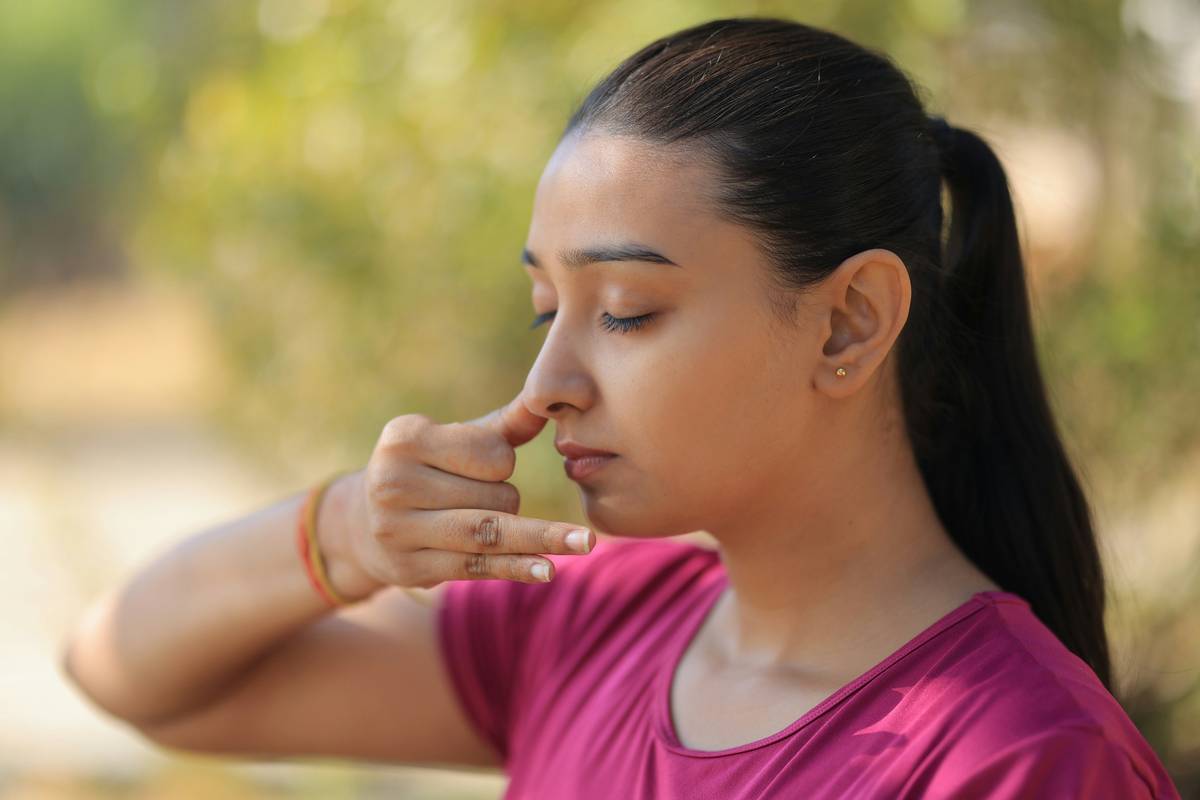
Two quick inhales through the nose (first short, second deeper), then a long, slow exhale through the mouth. Do this three times. Developed by neuroscientists at Stanford, it lowers heart rate in under 60 seconds—faster than benzodiazepines, without the fog.
| Technique | Time Required | Physiological Impact | Accessibility |
|---|---|---|---|
| Box Breathing | 90 seconds | ↑ Vagal tone, ↓ heart rate | Free, anywhere |
| Cold Exposure | 15–60 seconds | ↑ Norepinephrine, ↓ inflammation | Requires sink/shower |
| Physiological Sigh | 60 seconds | Rapid CO2 rebalancing, ↓ anxiety | Free, discreet |
| Progressive Muscle Relaxation | 10 minutes | ↓ Cortisol, ↑ body awareness | Requires quiet space |
The Industry Secret: Your Stress Isn’t Mental—It’s Metabolic
Here’s what clinics won’t tell you: prolonged stress depletes magnesium, B vitamins, and omega-3s—nutrients essential for regulating neurotransmitters like GABA and serotonin. No amount of journaling fixes a magnesium-deficient neuron. At AnaWakeningCenter.com, we’ve seen clients plateau on therapy alone—until we addressed micronutrient gaps. Think about it: if your body lacks the raw materials to produce calming chemicals, how can you expect it to self-soothe? The math is simple: physiology precedes psychology.
Frequently Asked Questions
What is the fastest physiological stress management technique?
The physiological sigh—two sharp inhales followed by one long exhale—lowers heart rate and anxiety in under a minute by rapidly rebalancing blood CO2 levels.
Can physiological stress techniques replace medication?
They can reduce reliance on meds for mild-to-moderate stress, but never discontinue prescribed treatment without medical supervision. These techniques support biology—they don’t override pathology.
How often should I practice these techniques?
Daily for prevention—even 2 minutes. During acute stress, deploy them immediately. Consistency trains your nervous system to recover faster over time.