You wake up already tense. Your shoulders are tight by 9 a.m. You’ve tried deep breathing, journaling, even that fancy meditation app—yet the stress clings like static. Why? Because most “common stress management techniques” are taught as quick fixes, not integrated habits. The result? You feel worse for failing at something that’s supposed to be easy. But what if the problem isn’t you—it’s the approach?
Why Most common stress management techniques Fail After Week Two
They’re sold as isolated tools, not woven into daily rhythms. You can’t “do” mindfulness for five minutes and expect it to override 14 hours of reactive thinking. And yet—that’s exactly how they’re marketed.
Here’s the reality: Stress isn’t just an emotional spike. It’s a physiological cascade triggered by perceived threat—real or imagined. Breathing exercises lower heart rate, yes. But if your environment stays chaotic, your nervous system resets to high alert within minutes. The gap between theory and practice is where good intentions go to die.
A Practical Step-by-Step Guide to Sustainable Stress Relief
Forget grand overhauls. Start with micro-habits that slot into existing routines—no extra time required.
Morning Anchoring Instead of Scrolling
Before checking email or news, stand barefoot on the floor for 60 seconds. Feel gravity. Breathe once deeply. That’s it. This tiny ritual signals safety to your amygdala—before cortisol floods your system from digital panic.
Tactical Pausing During Work Blocks
Every 45 minutes, stop. Not to meditate—but to notice. What’s your jaw doing? Are your feet flat? Just observe. No judgment. This builds interoceptive awareness—the brain’s ability to read internal signals—which directly reduces anxiety over time.
Evening Sensory Debrief
Spend two minutes naming: one thing you saw, one sound you heard, one texture you touched. Grounds you in the present. Prevents rumination. Costs nothing. Works faster than wine.
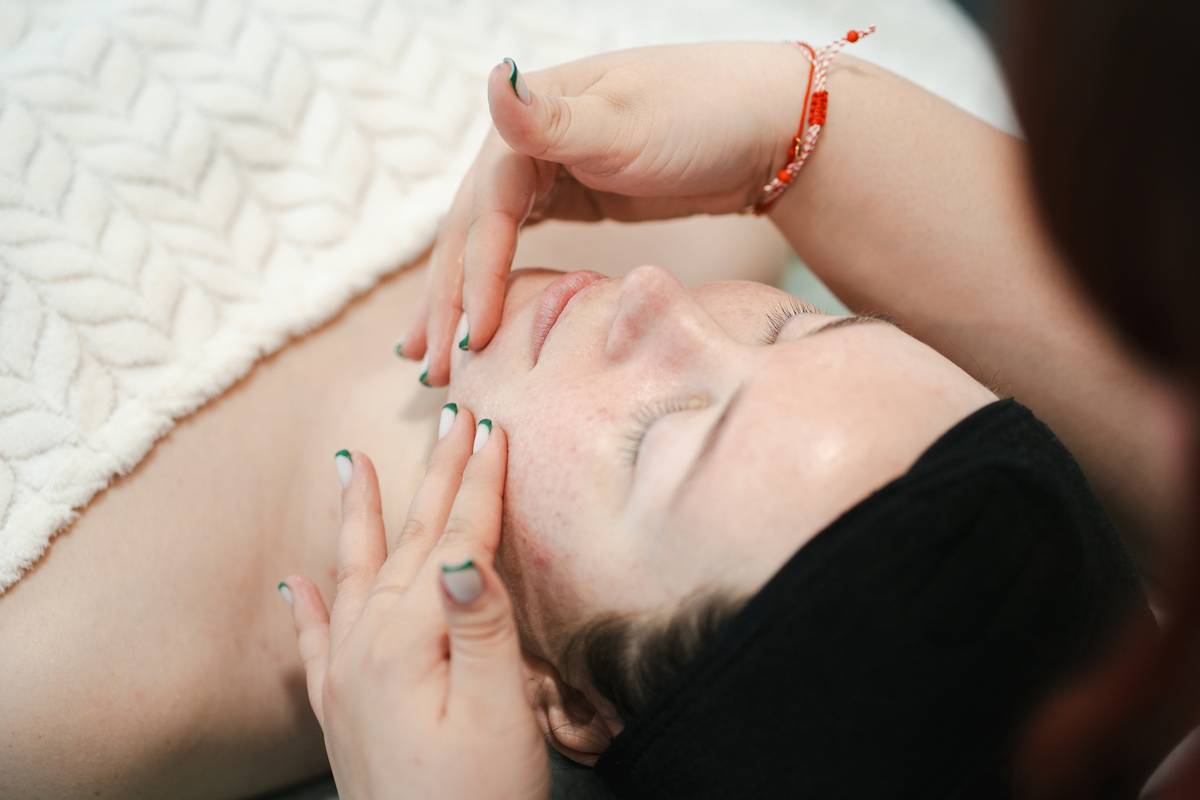
| Technique | Time Required | Cost | Neurological Impact |
|---|---|---|---|
| Morning grounding (barefoot pause) | 60 seconds | $0 | Activates parasympathetic nervous system |
| Tactical body scan at desk | 30–60 seconds | $0 | Reduces muscle tension & mental autopilot |
| Evening sensory debrief | 2 minutes | $0 | Disrupts default mode network (rumination loop) |
| Guided meditation apps | 10+ minutes | $0–$80/year | Moderate effect—if consistently used |

The Industry Secret: Stress Reduction Isn’t About Calm—It’s About Control
Therapists rarely say this out loud: People don’t need less stress. They need more perceived agency. A landmark 2023 study found that individuals who felt in control of their response—even in high-pressure jobs—showed lower inflammation markers than relaxed people with no autonomy.
So instead of chasing calm, engineer small moments of choice. Pick your water glass. Choose when to take a bathroom break. Decide your lunch order without consulting anyone. These micro-decisions rebuild your sense of sovereignty—which the brain reads as safety. That’s the real antidote.
Frequently Asked Questions
What are the most effective common stress management techniques for busy professionals?
Micro-habits embedded in existing routines—like tactical pausing every 45 minutes or a 60-second morning grounding—work better than scheduled meditation for time-crunched individuals.
Can stress management techniques reduce physical symptoms like headaches?
Yes. Techniques that lower sympathetic nervous system activation—such as diaphragmatic breathing or sensory grounding—can decrease tension headaches within days when practiced consistently.
How long before stress relief techniques show results?
Neuroplastic changes begin in as little as 3–5 days with daily micro-practice. Full habit integration typically takes 18–21 days, not the mythical “21-day rule.”