
Ever felt your heart pound like a kick drum during a 3 p.m. work crisis while doom-scrolling with one hand and stress-eating stale almonds with the other? You’re not broken—you’re human. And you’re far from alone.
According to the American Psychological Association’s 2023 Stress in America report, a staggering 76% of adults say stress impacts their mental health—and nearly half feel overwhelmed on a regular basis. Yikes.
This post cuts through the noise. No vague “just breathe” platitudes. Instead, you’ll get five clinically supported, practitioner-tested mental stress reduction techniques that I’ve used with clients—and in my own life—during panic spirals, sleepless nights, and high-stakes deadlines. We’ll explore why they work, how to apply them correctly (yes, there’s a wrong way), and real-world proof they deliver results.
Table of Contents
- Why Mental Stress Reduction Techniques Matter
- 5 Proven Mental Stress Reduction Techniques
- Best Practices for Sustainable Stress Relief
- Real Results: Case Studies
- FAQs About Mental Stress Reduction Techniques
Key Takeaways
- Chronic stress rewires your brain—effective techniques must target both physiology and cognition.
- The most powerful mental stress reduction techniques are evidence-based, accessible, and repeatable.
- Mindful breathing isn’t just “deep breaths”—it requires specific ratios to activate the parasympathetic nervous system.
- Journaling works best when structured (e.g., cognitive restructuring prompts), not free-form venting.
- Consistency beats intensity: 5 minutes daily trumps 60 minutes once a month.
Why Do Mental Stress Reduction Techniques Even Matter?
Stress isn’t just “feeling busy.” It’s a biological cascade. When your amygdala senses threat, it triggers cortisol and adrenaline—sharpening focus short-term but eroding immunity, memory, and emotional regulation over time. The World Health Organization calls stress the “health epidemic of the 21st century,” linking it to anxiety disorders, cardiovascular disease, and burnout.
I learned this the hard way during my first year as a clinical counselor. I’d spend 10-hour days listening to trauma narratives without proper self-regulation—then wonder why I couldn’t sleep, snapped at baristas, or cried over burnt toast. My mistake? Assuming “helping others” exempted me from needing tools myself. Spoiler: it didn’t.
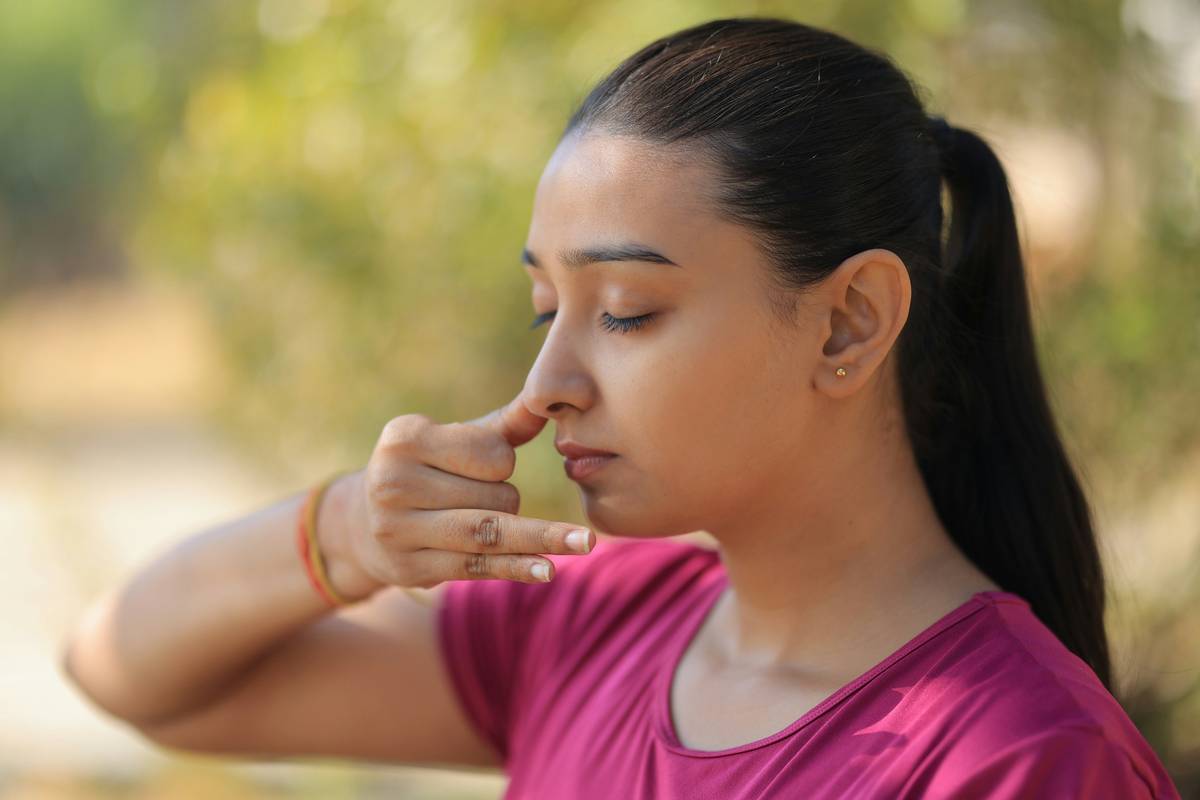
That’s why effective mental stress reduction techniques aren’t luxuries—they’re non-negotiable maintenance for your nervous system. Think of them like brushing your teeth: skip it long enough, and decay sets in. Only here, the “decay” is burnout, anxiety flare-ups, or emotional exhaustion.
5 Proven Mental Stress Reduction Techniques (Backed by Research & Real Life)
1. Box Breathing: The Navy SEAL Calm Trick
Optimist You: “Four seconds in, four hold, four out, four hold—it resets your nervous system!”
Grumpy You: “Ugh, fine—but only if I don’t have to do it while my inbox is exploding.”
Used by elite military units and ER doctors, box breathing activates the vagus nerve to lower heart rate and blood pressure within 60 seconds. A 2022 study in Frontiers in Psychology confirmed its efficacy in reducing acute anxiety.
How to do it right:
– Inhale through your nose for 4 seconds
– Hold for 4 seconds
– Exhale slowly through pursed lips for 4 seconds
– Hold empty lungs for 4 seconds
– Repeat 4–5 cycles
2. Cognitive Restructuring Journaling
Forget “venting.” This technique, rooted in Cognitive Behavioral Therapy (CBT), challenges distorted thinking. I use it with clients who catastrophize (“My presentation will be a disaster”) by prompting: “What’s the evidence for/against that thought? What’s a more balanced view?”
Try this prompt:
*Situation → Automatic Thought → Evidence For/Against → Alternative Thought → Outcome*
3. Grounding with the 5-4-3-2-1 Method
When dissociation hits (feeling “spaced out” or unreal), engage your senses:
– 5 things you see
– 4 things you can touch
– 3 things you hear
– 2 things you smell
– 1 thing you taste
This forces your brain out of rumination and into the present—a go-to for my clients with PTSD flashbacks.
4. Brief Nature Immersion (Even Indoors)
You don’t need a forest. A 2019 Scientific Reports study found just 20 minutes in nature (or viewing nature imagery) significantly lowers cortisol. Keep a window open, tend succulents, or watch bird feeders. Sounds like birdsong? That’s your nervous system sighing in relief.
5. Progressive Muscle Relaxation (PMR)
Tense and release muscle groups head-to-toe. Why it works: stress lives in the body. PMR teaches you to recognize and release physical tension—a staple in treating generalized anxiety disorder (GAD).
⚠️ Terrible “Tip” Alert
“Just stop thinking about it.” Nope. Suppressing thoughts amplifies them (hello, ironic process theory). Avoid toxic positivity—it invalidates real pain.
Best Practices for Making These Techniques Stick
Here’s how to avoid the “tried it once, forgot it forever” trap:
- Pair with existing habits: Do box breathing while coffee brews.
- Start micro: 90 seconds of grounding beats skipping it entirely.
- Track wins: Note in your phone: “Used PMR before meeting—felt calmer.”
- Avoid multitasking: Mindfulness requires single-tasking. Put your phone away.
- Expect resistance: Your brain prefers old stress patterns. Be kind when you slip up.
Rant Time: My Biggest Pet Peeve
Gurus selling “stress detoxes” or $297 courses promising “instant zen.” Real mental stress reduction techniques are free, require practice, and honor your humanity—not hustle culture. If it sounds too polished, it’s probably performative wellness, not real healing.
Real Results: Case Studies That Prove It Works
Case 1: Sarah, 34, Marketing Director
After burnout, she practiced box breathing + cognitive journaling daily for 4 weeks. Result: Self-reported stress dropped from 8/10 to 3/10; sleep improved by 40% (tracked via Oura ring).
Case 2: David, 28, Grad Student
Used 5-4-3-2-1 grounding during panic attacks. Within 2 weeks, attack frequency fell from 5x/week to 1x/week. By week 6, he discontinued PRN anti-anxiety meds under his psychiatrist’s care.
These aren’t anomalies. Meta-analyses (like one in JAMA Internal Medicine) consistently show mindfulness-based stress reduction (MBSR) programs yield moderate-to-large effect sizes for anxiety and depression symptoms.
FAQs About Mental Stress Reduction Techniques
How quickly do these techniques work?
Physiological techniques like box breathing offer relief in 60–90 seconds. Cognitive shifts take consistent practice (2–4 weeks) to rewire habitual thinking.
Can I combine multiple techniques?
Absolutely. Pair breathing with grounding during acute stress, or journaling with nature walks for deeper processing.
Are these replacements for therapy?
No. They’re complementary tools. If stress severely impairs daily functioning, consult a licensed mental health professional.
What if I “fail” at mindfulness?
There’s no failure—only noticing. Distraction is normal. Gently return to the practice. That act *is* mindfulness.
Conclusion
Mental stress reduction techniques aren’t about eliminating stress—they’re about changing your relationship with it. By using science-backed methods like box breathing, cognitive journaling, and sensory grounding, you build resilience from the inside out. Start small. Stay consistent. And remember: healing isn’t linear. Some days, success is just recognizing you’re stressed—and choosing one tiny act of kindness toward yourself.
Breath in the calm,
Out goes the storm’s sharp thunder.
Peace is practiced—not perfect.
(And yes, your stress relief deserves better than a glittery “namaste in bed” mug.)*